
Choosing the right fit out contractor is only the first step in a successful commercial fit-out project. Before work begins, both the client and contractor need a clear agreement that defines the project scope, costs, timelines, responsibilities, materials, approvals, payment terms, and handover requirements. Without these details, businesses may face delays, unexpected expenses, disputes, or incomplete work.
A fit-out contractor agreement is especially important for office owners, retail shops, restaurants, clinics, salons, warehouses, landlords, and commercial tenants across the UAE. These projects often involve interior finishes, MEP works, fire systems, authority approvals, custom joinery, and coordination with landlords or building management.
In this post, we’ll explain what is included in a fit out contractor agreement, provide examples of common contract clauses used in commercial projects, and share practical best practices to help UAE business owners review an agreement before signing.
What Is Included in a Fit Out Contractor Agreement?
A fit out contractor agreement is a formal contract that defines the project scope, price, schedule, payment terms, materials, responsibilities, approvals, variations, warranties, and handover conditions. It protects both the client and contractor by clearly explaining what work will be completed, how it will be managed, and what happens if changes, delays, or disputes arise.
The agreement should describe every major part of the commercial fit-out project in enough detail to prevent misunderstandings. This may include demolition, partitions, ceilings, flooring, painting, joinery, electrical work, plumbing, HVAC, fire alarm systems, fire-fighting works, data systems, authority approvals, testing, inspections, and final handover.
A reliable fit out contractor should also specify which items are included in the quotation and which are excluded. For example, the agreement should clarify whether authority fees, landlord deposits, design revisions, specialist equipment, loose furniture, and after-hours working charges are included in the contract price.
The document should also explain how additional work will be handled. Any change requested after the agreement is signed should normally be recorded through a written variation order showing the new scope, additional cost, and effect on the completion date.
A detailed agreement gives the client a clear understanding of what they are paying for while giving the contractor an approved scope to follow. This is particularly important in UAE commercial projects, where fit-out work may involve landlords, building management teams, consultants, suppliers, and several approval authorities.
Why Is a Fit Out Contractor Agreement Important?
A detailed fit out contractor agreement is important because it protects the client’s budget, schedule, property, and business-opening plans. It gives both parties one approved document that explains exactly what must be delivered, how much it will cost, when it should be completed, and who is responsible for each part of the project.
1. It Prevents Unexpected Costs
A clear agreement identifies what is included and excluded from the contract price. It should cover materials, labour, MEP works, authority fees, inspections, specialist systems, transportation, waste removal, and other project expenses.
Without a detailed scope, clients may discover additional charges after work has started. The agreement should also require written approval for variation orders before extra work is carried out.
2. It Reduces Disputes and Misunderstandings
Many project disagreements begin because the scope, payment terms, responsibilities, or completion requirements were not clearly documented.
According to Arcadis’ Global Construction Disputes Report, the average time required to resolve construction disputes increased by almost 15% in the reporting period covered by the study. This demonstrates how costly and time-consuming unclear construction arrangements can become.
A properly prepared agreement gives the client and the fit out contractor a clear reference if a disagreement arises.
3. It Protects the Project Timeline
Delays can affect rent payments, employee relocation, licence applications, marketing campaigns, and the planned opening date of a business.
The agreement should include:
- The project commencement date
- The expected completion date
- Important work stages and milestones
- Client approval deadlines
- Rules for requesting time extensions
- Responsibilities for delays
This helps everyone understand how the project will progress and what could affect the handover date.
4. It Clarifies the Quality of Materials and Workmanship
Descriptions such as “high-quality flooring” or “standard lighting” are too general. The contract should specify the approved brands, models, quantities, finishes, technical standards, and material samples wherever possible.
This prevents lower-cost alternatives from being installed without the client’s approval and allows the completed work to be checked against an agreed specification.
5. It Defines Responsibility for UAE Approvals
Commercial fit-out projects may require coordination with the landlord, building management and relevant authorities. The agreement must state who will prepare drawings, submit applications, pay fees, respond to comments, arrange inspections, and obtain completion documents.
For example, Dubai Development Authority describes its fit-out permit as permission for the contractor to start fit-out work and subsequently submit the project for completion to confirm compliance with permit requirements.
Clearly assigning these responsibilities helps prevent approval delays and unauthorised work.
6. It Controls Project Changes
Clients may request changes to layouts, materials, joinery, lighting, electrical points, or other elements during construction. Even a small change can affect the price, procurement schedule, MEP coordination, and completion date.
A strong agreement establishes a formal variation process. No change should proceed until its additional cost and timeline impact have been documented and approved.
7. It Establishes Clear Payment Terms
The contract should explain when payments are due and connect them to measurable project milestones. It may include an advance payment, progress payments, material payments, practical completion payment, and retention amount.
Clear payment conditions protect the contractor’s cash flow while helping the client avoid paying too much before the corresponding work has been completed.
8. It Protects the Client After Handover
The agreement should not end when the keys are handed over. It should include warranties, the defects-liability period, maintenance responsibilities, snagging procedures, testing records, equipment manuals, and as-built drawings.
These requirements help ensure that defects are corrected and that the client receives the documents needed to operate and maintain the space properly.
Ultimately, a detailed agreement improves cost control, project efficiency, work quality, and accountability. It also gives business owners greater confidence that their commercial space will be completed according to the approved scope, budget, and schedule.
How to Review a Fit Out Contractor Agreement
Before signing, check that the agreement clearly includes the complete scope of work, contract price, payment schedule, project timeline, approved materials, authority approvals, variation procedures, warranties, exclusions, and handover requirements.
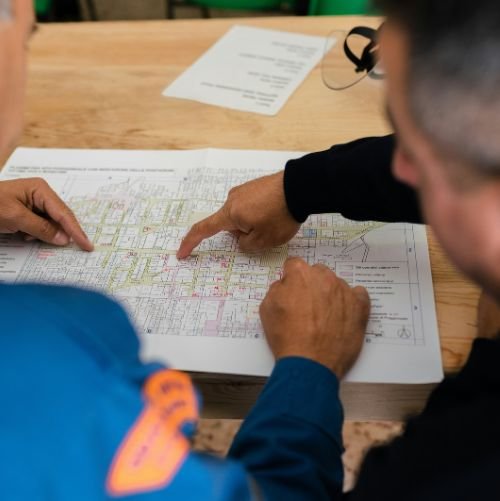
You should also confirm that every drawing, quotation, material specification, and project schedule referenced in the agreement is attached and approved. Any unclear wording should be corrected before work begins, as verbal promises can be difficult to prove later.
A professional fit out contractor should be willing to explain each clause, clarify responsibilities, and document any agreed changes in writing. For complex or high-value projects, it is also sensible to have the agreement reviewed by a qualified UAE legal professional before signing.
A fit out contractor agreement should do more than confirm a price. It should clearly define the project scope, materials, timeline, payment terms, approvals, responsibilities, variation procedures, warranties, exclusions, and handover requirements.
The main takeaway is simple: the more detailed the agreement is before work begins, the lower the risk of unexpected costs, delays, disputes, and incomplete work. Business owners should never rely only on verbal promises or a basic quotation when planning a commercial fit-out project in the UAE.
Before signing, review every clause carefully and confirm that all drawings, specifications, schedules, and approved materials are attached to the agreement. You can also explore our other resources on commercial fit-out costs, UAE approvals, MEP works, and choosing the right contractor to prepare for your project more confidently.
Start Your Fit-Out Project with Urban Unity
Planning an office, retail shop, restaurant, clinic, warehouse, or other commercial fit-out in the UAE?
Urban Unity provides complete fit-out services, including project planning, MEP works, fire systems, interior finishes, authority approvals, execution, testing, and final handover.
Contact our team for a consultation and a detailed quotation based on your project requirements.