

Getting DEWA approval for fit-out projects is an essential step before carrying out many electrical works in commercial and residential properties across Dubai. Without the correct approval, a project may face inspection failures, costly modifications, delays or problems with the final electricity connection.
This process is especially important for business owners, tenants, consultants and fit-out contractors working on offices, retail shops, restaurants, clinics, warehouses and other commercial spaces. Electrical load calculations, technical drawings and installation works must meet DEWA’s requirements to protect the property, its occupants and the wider electrical network.
In this post, we will explain why DEWA approval is important, outline how to get DEWA approval for fit-out projects, highlight the documents and technical requirements commonly involved, and provide eight practical suggestions to help first-time applicants avoid delays, rejections and unnecessary costs.
What Is DEWA Approval for Fit-Out Projects, and Why Does It Matter?
Getting DEWA approval for fit-out projects means obtaining authorization from the Dubai Electricity and Water Authority before carrying out certain electrical works, load modifications or utility-related changes within a property. The process may involve submitting electrical drawings, load schedules, technical documents and contractor details to confirm that the proposed work meets DEWA’s safety and technical requirements.
This approval is especially relevant for offices, retail shops, restaurants, clinics, warehouses and other commercial spaces where the electrical demand may change after renovation. New equipment, lighting systems, air-conditioning units, machinery or kitchen appliances can increase the required electrical load and may need to be reviewed before installation.
Understanding the DEWA approval process is important because incorrect or unauthorized electrical work can cause project delays, failed inspections, additional modification costs and problems with energizing the premises. It can also create serious safety risks if the electrical system is not designed to handle the required load.
By planning the approval process early and working with qualified consultants and contractors, property owners and tenants can reduce delays, avoid repeated submissions and move their fit-out project toward completion more smoothly.
How to Get DEWA Approval for Fit-Out Projects
The exact DEWA approval requirements can vary depending on the property, the proposed electrical load and the scope of the fit-out work. However, most applications follow the steps below.
Step 1: Confirm Whether DEWA Approval Is Required
Begin by reviewing the electrical scope of the fit-out project. DEWA involvement may be required when the work includes a new electricity connection, changes to the existing electrical installation, additional electrical load, meter-related work or modifications affecting the electricity network.
This is particularly important for restaurants, clinics, warehouses, retail shops and offices that will install equipment with significant power requirements.
The project owner should confirm the applicable approval route with the landlord, building management, appointed consultant and relevant authorities before starting electrical work.
Step 2: Appoint a DEWA-Enrolled Consultant or Contractor
A DEWA approval application for an electricity fit-out connection cannot normally be submitted directly by the tenant or business owner. DEWA states that the application must be submitted by an enrolled electrical consultant or contractor.
The project owner must therefore appoint a qualified company that is enrolled for the DEWA fit-out process. The appointed consultant or contractor will review the electrical requirements, prepare the submission and communicate with DEWA during the application process.
Before appointing a company, check its current enrolment status and confirm that its scope of work includes the required design, submission, installation and inspection support.
Step 3: Review the Existing Electrical Capacity
The appointed electrical consultant or contractor should inspect the premises and review the existing approved electrical capacity.
This assessment may include:
- The existing connected load and maximum demand
- The capacity of the main distribution board
- Available electrical phases
- Existing meters and supply arrangements
- Proposed lighting and power requirements
- Air-conditioning and ventilation equipment
- Kitchen appliances, machinery or specialist equipment
The purpose of this review is to determine whether the existing supply can support the proposed fit-out or whether an additional load or network modification request is required.
For example, a standard office may need power for lighting, computers and air-conditioning. A restaurant may require a considerably higher load for cooking appliances, extraction systems, refrigeration and other kitchen equipment.
Step 4: Prepare the Electrical Drawings and Load Schedules
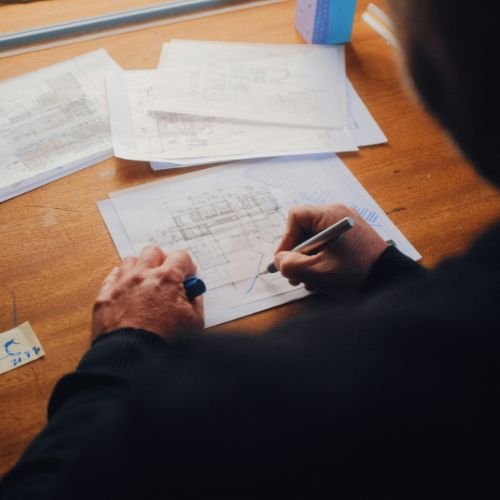
The consultant must prepare accurate electrical drawings and technical schedules based on the approved fit-out design and the equipment that will be installed.
Depending on the project, the submission may include:
- Lighting wiring layouts
- Power wiring layouts
- Final distribution-board load schedules
- Main and sub-main distribution-board information
- Connected-load calculations
- Maximum-demand calculations
- Single-line diagrams
- Equipment specifications
DEWA’s published fit-out guidance identifies lighting layouts, power layouts and load-distribution schedules among the documents used for an electricity fit-out connection application.
All loads should be calculated accurately. Changing major equipment after submission may affect the load calculations and could require the drawings to be revised.
Step 5: Obtain the Landlord or Building NOC
A landlord no-objection certificate may be required before the application can proceed. DEWA’s fit-out guidance lists a landlord NOC in DEWA’s prescribed format among the required application documents.
The tenant or project owner should also check whether the building management requires separate approvals for:
- Fit-out drawings
- Electrical work
- Access and working hours
- Temporary power interruption
- Testing and commissioning
- Final inspections
Obtaining these approvals early can prevent the DEWA submission from being delayed by missing property documents.
Step 6: Submit the DEWA Approval Application Online
Once the documents are ready, the enrolled consultant or contractor can log in to DEWA’s digital service and select the relevant main project reference.
The applicant then completes the electricity fit-out connection form, uploads the required documents and submits the application online. DEWA does not accept manual submissions for this service.
After submission, the system issues a confirmation and an application reference number. The consultant or contractor can use this reference to track the request through DEWA’s system.
Step 7: Respond to DEWA Comments or Revision Requests
Submitting the application does not mean that it will be approved immediately. DEWA’s concerned department reviews the application and may approve it, reject it or return it as incomplete.
An incomplete application usually means that information must be corrected or additional documents must be provided. Common issues may include:
- Inconsistent load calculations
- Missing landlord documentation
- Incomplete wiring layouts
- Differences between drawings and load schedules
- Missing main-project approval information
- Incorrect file formats
- Unclear distribution-board details
The consultant should review every comment carefully, revise the affected documents and resubmit the application through the online system.
Quick and accurate responses can help reduce repeated review cycles and prevent the fit-out programme from being delayed.
Step 8: Complete the Electrical Installation
After receiving the required drawing or technical approval, the electrical works should be completed according to the approved documents and applicable DEWA requirements.
The contractor should not make unapproved changes during installation. If the tenant changes the equipment, layout or electrical demand, the consultant should check whether revised drawings or load schedules must be submitted.
During installation, the contractor should verify that:
- Cables and protective devices match the approved design
- Distribution boards are correctly labelled
- Circuits are properly identified
- Earthing and protection systems are completed
- Lighting and power points match the drawings
- Installed equipment matches the approved load schedule
- The work is accessible for testing and inspection
The site should also be kept organised and safe so that any required inspection can be completed efficiently.
Step 9: Arrange Testing and the Required Inspection
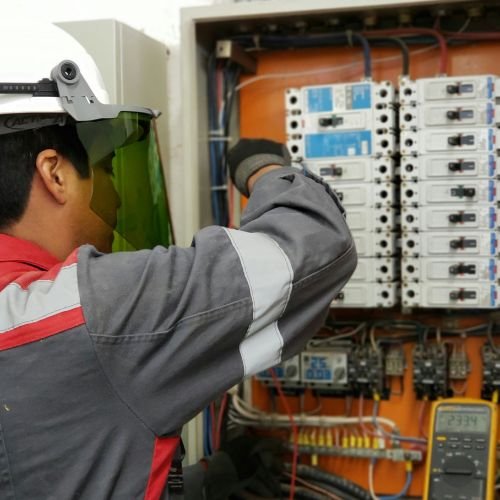
Once the installation is complete, the electrical contractor should test the system and prepare the premises for the applicable inspection and connection procedures.
Before requesting an inspection, the team should compare the completed installation with the latest approved drawings. Any visible differences should be corrected or formally addressed before the inspector arrives.
The inspection may verify that the installation complies with the approved submission and relevant electrical safety requirements. Defects or inconsistencies may need to be corrected before the project can move to the next stage.
Step 10: Pay the Applicable Charges and Complete Activation
Depending on the application and premises, the project owner may need to pay connection-related estimates, deposits or other applicable charges.
For certain premises with an installed meter and an Ejari contract, DEWA has integrated the fit-out connection journey with Ejari and combined the security deposit and estimation payment into one invoice. After payment, meter installation and supply release, the electricity and water activation process may begin automatically.
Other projects, including some premises in free zones, may follow a different digital application route. The consultant or contractor should confirm the process that applies to the specific property.
Tips and Reminders for Getting DEWA Approval
Start the Approval Process Early
Do not wait until the fit-out is nearly complete before reviewing the electrical requirements. Load calculations, drawings, landlord approvals and technical revisions can affect the construction schedule. Start the process during the design stage.
Finalise Equipment Before Calculating the Load
Confirm the specifications of air-conditioning units, kitchen appliances, machinery, medical equipment and other high-load items before completing the electrical calculations. Late equipment changes can make the approved load schedule inaccurate.
Keep All Documents Consistent
The electrical drawings, equipment schedules, load calculations and landlord-approved fit-out plans should show consistent information. Contradictions between documents are a common cause of technical comments and revisions.
Track the Application Regularly
The enrolled consultant or contractor should monitor the application through DEWA’s online system and respond promptly when it is returned for revision. DEWA allows submitted fit-out connection applications to be tracked digitally.
Do Not Deviate From the Approved Drawings
Electrical works should follow the approved design. Unauthorised changes may result in inspection issues, corrective work, additional expenses and delays in obtaining the final connection.
Getting DEWA approval for fit-out projects requires careful planning, accurate electrical calculations, complete technical drawings and coordination between the tenant, landlord, consultant and contractor. Starting the process early can help prevent submission errors, repeated revisions, inspection failures and costly project delays.
The most important takeaway is that DEWA requirements should be considered during the design stage—not after the electrical installation has already started. Finalising the equipment schedule, confirming the required electrical load and keeping all submitted documents consistent can make the approval process significantly smoother.
For more guidance, explore our resources on Dubai authority approvals, fit-out approvals, MEP works and commercial fit-out requirements in the UAE.
Need Help With DEWA Approval?
Urban Unity supports businesses, property owners and tenants with DEWA approval, technical coordination and complete fit-out services across Dubai and the UAE. Our team can assist with reviewing project requirements, coordinating electrical drawings, managing authority submissions and completing the approved fit-out work.
Avoid unnecessary delays and approval complications. Contact Urban Unity today for a free consultation about your fit-out project.
Request your free consultation and start your DEWA approval process with professional support.